
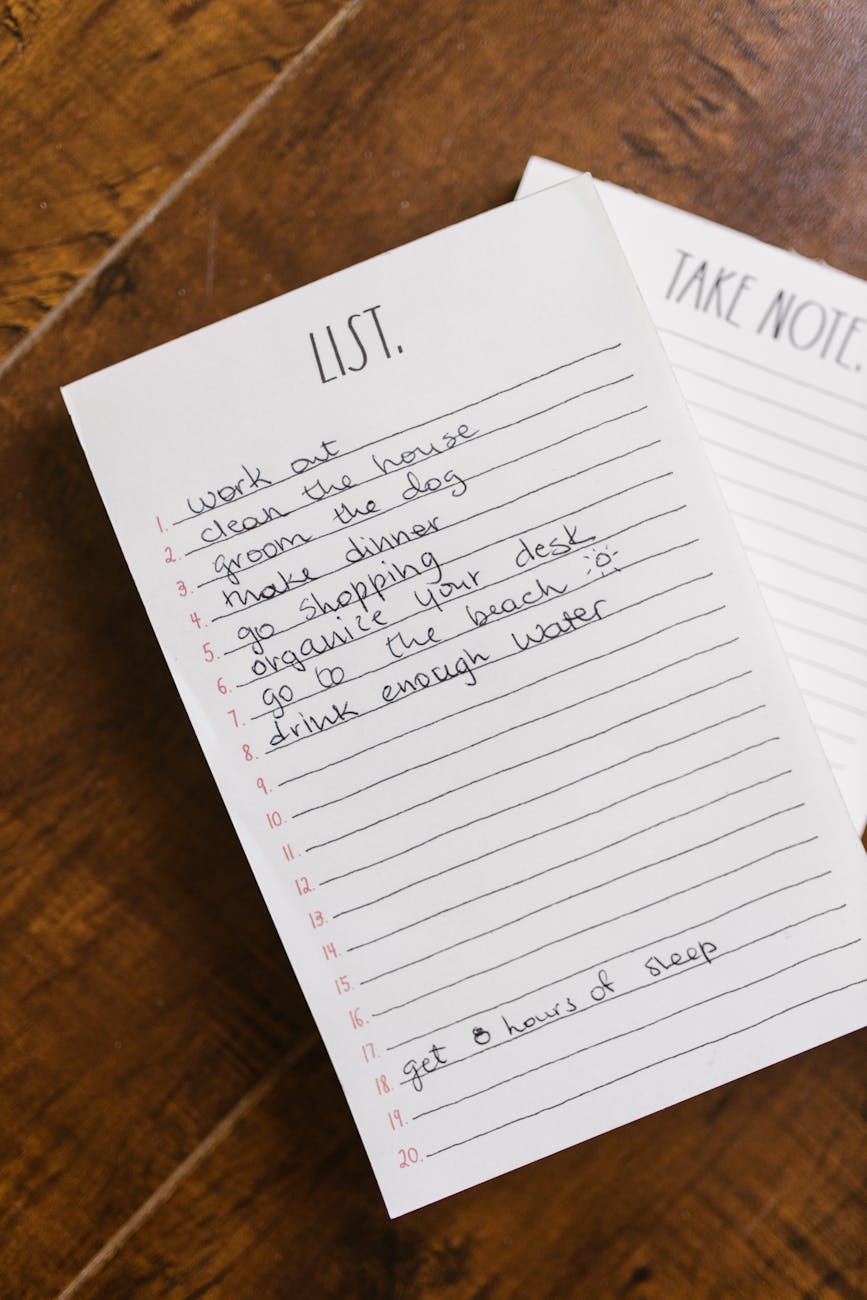
Have you ever looked at your to-do list and thought, “There’s no way I can get all of this done”? Between work deadlines, school pickups, dinner prep, and laundry piles that multiply overnight, parenthood can feel like a never-ending juggling act. Especially, when the world around us says that instant gratification is what we all need to give ourselves.
Here’s the truth: You can’t do it all at once — but with the right system, you can do what matters most. That’s where time blocking comes in. Habits, our habits shape our reality. If you think about most of your days, they are shaped around a set of habits that you developed based on your experiences in life. We all have them both good and bad. We also all have the power to change them. Does that seem overwhelming? Yes, it can be, but the power of habits is they can be changed slowly, and they all build momentum. It’s not just a productivity hack; it’s a mindset shift. One that helps you go from overwhelmed to intentional.
Let’s break it down.
📝 What Is Time Blocking (And What It’s Not)
Time blocking is not a to do list, it’s a sanity saver that comes from a time management strategy. I mentioned above how our world focuses on instant gratification, well time blocking takes blocks of your day and allows you to focus on a task during that time period. Will you always finish that task? No, not necessarily but it allows you to reward yourself mentally by saying I spent the past hour focused on accomplishing xyz. Time blocking allows you to set small focused and productive blocks of time into slots where you accomplish a specific task or group of tasks. This minimizes distraction but also gives you the pat on the back for accomplishing spending this time on these tasks. When done right, time blocking helps you show up better while minimizing distraction and the chance for burnout. The important thing to know is it’s not an endless to do list that you never seem to get ahead on. It’s a strategy.
For example:
- To-Do List:
– Email boss
– Finish presentation
– Grocery run
– Pick up kids
– Fold laundry
– Workout
– Dinner - Time-Blocked Day:
🕘 9:00–10:00 – Emails
🕙 10:00–12:00 – Work on presentation
🕛 12:00–1:00 – Grocery run & lunch
🕒 3:30–4:30 – Pick up kids
🕔 5:00–5:30 – Fold laundry
🕖 7:00–7:30 – Workout
🕗 7:30–8:00 – Dinner
See the difference? The same tasks are there — but with a plan.
📝 Why Time Blocking Works for Parents
As a parent, your time is constantly under pressure — from your boss, your kids, your partner, and yourself. I get it, you’ve probably heard of time blocking or even if you haven’t you roll your eyes maybe at another tip and trick that won’t work. Let me tell you a bit why it works for me.
✅ Creating structure for my day, so when 3pm rolls around my day hasn’t just “happened to me but I was in the drivers seat”
✅ Helps me focus on one role at a time instead of multitasking to exhaustion
✅ Giving every task a home, which reduces mental clutter and avoids that decision fatigue!
✅ Protecting personal and family time (It’s more likely to happen if it’s schedule!)
One of my biggest challenges is that by the afternoon I would have fatigue. I spent so much effort in the mornings before I implemented this tool that my afternoons would fall apart. I needed structure even for our off hours to alleviate this fatigue!
📝 How to Start Time Blocking (Without Getting Overwhelmed)
Here’s how to dip your toes in:
1. List Your Daily Roles and Priorities
I use a couple lists! First, my priority list. This includes the top three things professionally and personally that must get done each day. These tasks may change daily, but the theme is I have a priority list each day and I schedule time for my priorities. List two includes the other items! Sports practice, dinner, lunch, the laundry that must get done or the must do for that day. Finally, the third list is the “Do Later,” the list of items that need to get done in my life but can be done later. Yes, I want to clean my fridge today and wipe it out when I open it to make breakfast, but it doesn’t have to be done today. This third list helps me keep track of what I want to do but clears the noise from the non-negotiables.
2. Identify Non-Negotiables
These are your fixed events: school or camp drop-off, standing meetings, appointments and basic necessities that are non-negotiable. Block them first.
3. Create Focus Blocks
Add time for deep focused work, light work, errands, parenting tasks, rest, fun and even extra time for busy traffic or your kids not having socks on when it’s time to leave! I like to create a buffer when I first start out. It’s always easier for me to have fifteen extra minutes for me to take a breather than it is to scrunch up my next block.
4. Use a Tool You Like
I personally like to start with a printed sheet so I can adjust it over the first week or two. I print one every morning. Eventually in each system, I turn it into a digital version as a part of my system and that’s when I plug it into Google Calendar or iCalendar or a time-blocking app. Don’t spend too much time working on a specific schedule until you have tested it to see if your proposed schedule works. It will take some trial and error to find what works and that’s ok!
Real-Life Example: A Sample Day
🧑💻 6:30–7:30 AM: Morning routine & coffee/tea
👨👧 7:30–8:30 AM: Breakfast & school/camp drop-off
💻 9:00–11:00 AM: Focused work (Priorities)
📥 11:00–12:00 PM: Emails & Admin
🍴 12:00–1:00 PM: Lunch + House Chores
👩💼 1:00–3:00 PM: Meetings / team work
🏃 3:00–4:00 PM: Pickup + Sports/Activity Drop off
🏠 4:30–5:30 PM: Dinner Prep, Prep for tomorrow
🍽 5:30–7:00 PM: Dinner & family time
🧘 7:00–8:00 PM: Time with Partner/Spouse and Self-Care
The day flows — and each role gets its moment. You don’t have to guess what to do next.
📝 Tips to Make Time Blocking Stick
- Be realistic. Don’t overpack your schedule, notice the space in the example above that allows time for overflow between some activities. Not everything has to be scheduled, white space is your friend.
- Build in buffers. Kids rarely move at calendar speed, they forget their socks or are wearing sandals rather than sneakers or if you are me, you’ve set your phone down and can’t find it! Give yourself transition time.
- Review weekly. Take 15 minutes on Sunday night to adjust and plan and give yourself prep time for the next day each evening. This gives you time to set your priorities for the week.
- Keep it flexible. Sick kid? Spilled coffee? Time blocking helps you see what needs to shift.
- Give yourself grace. Time blocking is a guide only and it can change with the seasons! Re-visit when you have a big change to your schedule or when things aren’t working!
📝 Final Thought
Time blocking isn’t about squeezing more into your day — it’s about focusing on what matters and letting go of the rest. It puts you back in the driver’s seat of your time, your energy, and your peace.
Try it this week: Block just one day — and notice how much lighter and more in control you feel.
🎁 Bonus: Want a free printable time-blocking planner?
Visit our essential tool kit page subscribe to download your free time blocking 101 workbook to start implementing time blocking!
3 responses to “Time Blocking 101: From Overwhelmed to Organized”
-
Yes, this method can really save the parents and even single ones like us looking for true love and who to settle down with
LikeLike
-
Thank you so much for reading and sharing your thoughts! You’re absolutely right, time blocking is a powerful tool for anyone.
LikeLike
-
-

[…] out my other posts on time blocking and batch working to keep your weeks running smoother, even in the busiest […]
LikeLike


Leave a reply to kristennwoodward Cancel reply